Future of Business
Have you ever wondered what precautions are taken against power outages to ensure production never stops and critical services aren't disrupted? Electrical energy keeps countless operations running smoothly and without interruption—from factories and construction sites to healthcare facilities and data centers. When grid power is unavailable or experiences frequent outages, generators step in to help meet energy demands. So, what exactly is a generator, how does it work, and which generator types answer which specific needs?
What is a Generator?
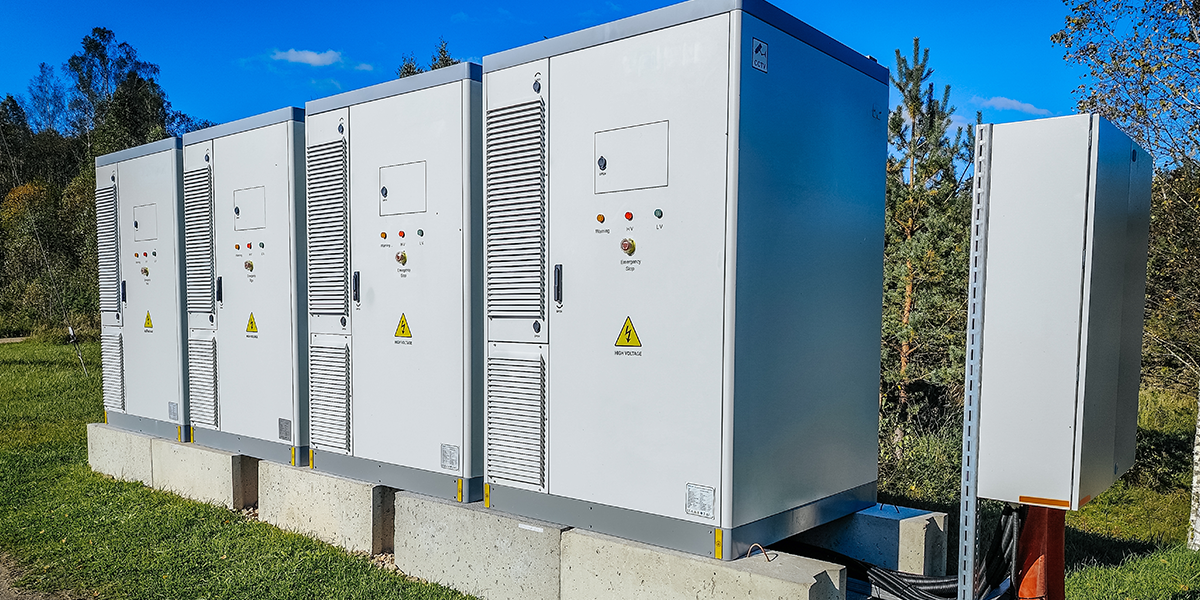
A generator is defined as a power system that converts mechanical energy into electrical energy. While it can be used as a primary power source in areas without access to the electrical grid, it serves as a backup power source whenever mains electricity fails.
A generator system basically consists of components such as an engine, alternator, fuel system, cooling system, exhaust system, and control panel. The power and specifications of the system vary depending on the energy requirements of the area where it will be deployed.
How Does a Generator Work?
At the core of how a generator works lies the conversion of mechanical energy into electrical energy. The generator’s engine converts the chemical energy contained in the fuel into mechanical energy. The mechanical motion created by the engine is then transferred to the alternator, which generates electrical energy based on the principle of electromagnetic induction.
This process forms the foundation of a generator's working principle. The control panel within the system makes it possible to monitor the generator's operating status and perform the necessary checks. In generators equipped with automatic transfer switches (ATS), the system can kick in automatically the moment grid power goes down.
So, what does a generator run on? Depending on the engine used, diesel, natural gas, gasoline, or alternative fuel types can be utilized. The choice of fuel varies according to the generator's intended use, operating duration, and energy demand.
What Are the Types of Generators?
Generators come in various types that generally differ by fuel type and power capacity. Diesel generators stand out in industrial applications requiring high power and during long-term operations. Gas generators, on the other hand, run on fuels like natural gas and can be used in facilities with continuous energy demands.
Additionally, portable generators supply the energy needed at construction sites and temporary workspaces, while standby generators kick in as a backup power source in the event of a grid failure.
Where Are Generators Used?
Generators are used across a wide range of environments, including construction and earthmoving sites, mines, factories, hospitals, hotels, shopping malls, data centers, and agricultural facilities.
Especially in businesses where power outages could disrupt production, services, or critical operations, generators offer a vital backup power solution. On construction sites where grid power is unavailable, they keep equipment running, while in critical settings like hospitals and data centers, they play a key role in maintaining energy continuity.
What Are Generator Solutions?
Generators aren't just single, standalone devices that only turn on during power blackouts. Diverse systems are offered to match the varying energy needs of different industries and facilities.
Backup power generators—the most commonly used generator solution—activate automatically when grid electricity fails, helping critical systems continue operating seamlessly. These systems play a vital role in areas where power interruptions can directly impact operations, such as hospitals, data centers, shopping malls, and manufacturing plants.
In construction sites, mines, and remote work zones where grid electricity is either absent or insufficient, generator solutions used as a primary (prime) power source come to the forefront. These systems directly supply the energy required by heavy machinery, lighting systems, and other electrical equipment on the job site.
Furthermore, features such as automatic start-up, remote monitoring, load management, fuel consumption, noise levels, and maintenance requirements are also evaluated when choosing the right solution. Particularly in critical operations, it is not just the capacity to generate electricity that matters, but also the reliable and sustainable operation of the system.
What Should Be Considered
When Choosing a Generator?
When selecting a generator, the first step is to determine the total electrical demand of the facility. The power consumption of the equipment to be connected, the starting loads (inrush current) generated during initial start-up, and the systems that will run simultaneously are all taken into account.
In addition, the generator's operating duration, fuel type, installation environment, noise level, maintenance requirements, and automatic start features are carefully evaluated. Choosing a generator with the right capacity both supports energy continuity and helps prevent unnecessary operating costs.
Frequently Asked Questions About GeneratorsWhat does a generator run on?
Depending on the engine type, generators run on different fuels such as diesel, gasoline, or natural gas.
Does a generator produce electricity?
Yes. The mechanical energy created by the engine is converted into electrical energy through the alternator.
Can a generator run continuously?
A generator's operating duration varies depending on its model, fuel capacity, load status, and the operating conditions specified by the manufacturer.
Why is a generator used?
Generators are used to meet energy demands and support the continuity of operations when the electrical grid is unavailable or experiences an outage.

theBClog
Author
LATEST POSTS
Future of Business

Future of Business

Future of Business

Future of Business




Hello!
As writers for theBClog, we share with you articles that highlight current developments and inspiring ideas in various topics, from sustainability to technology, energy to climate, and innovation to human interest stories.
Enjoy!