Sustainability
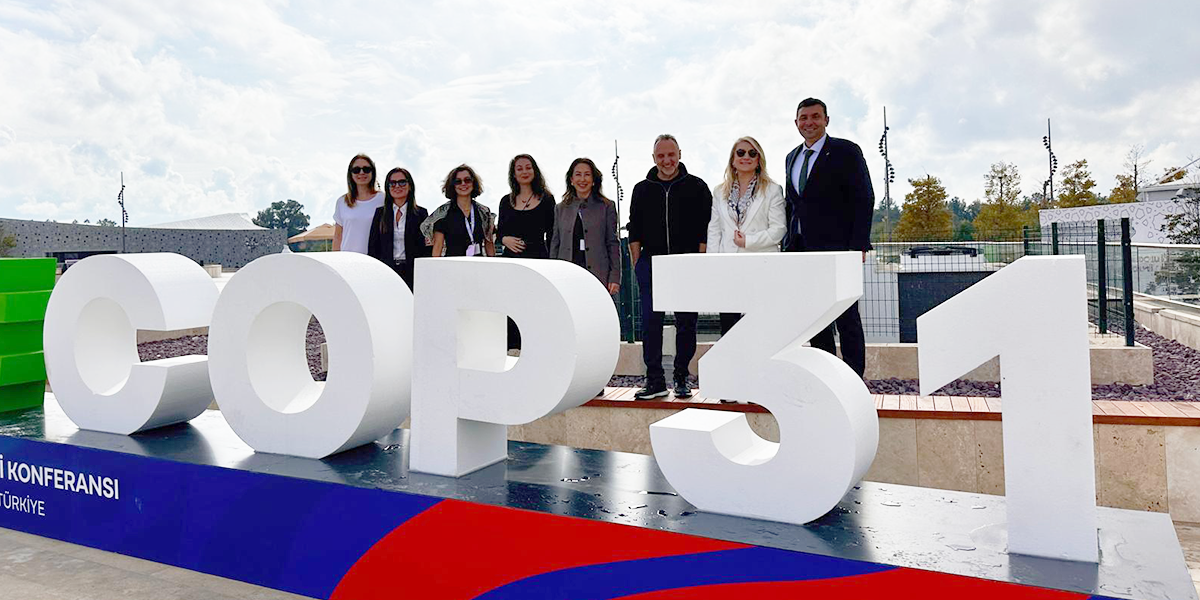
Hello theBClog readers, I’m Aslıhan Selenk. For about 6 years, I have been working as the Strategy and Sustainability Leader at Borusan Cat, focusing on climate change, the circular economy, and sustainability transformation. Heading to the 31st Conference of the Parties to the UN Framework Convention on Climate Change (COP31) recently held in Antalya, I expected climate finance, new technologies, and policy developments to take center stage. All of these were indeed discussed. However, there was a common theme I encountered over and over in various sessions throughout the conference: We now largely know what needs to be done. The real issue is how we are going to implement it. For this reason, the frequently used definition of COP31 as the "Implementation COP" resonated deeply with me.
Because in the fight against climate change, targets, roadmaps, and commitments are undeniably critical. But the place where transformation truly comes to life is no longer meeting rooms; it is the fields, workshops, factories, service points, and the very heart of daily operations.
While working on sustainability at Borusan Cat, the focus of our collaborative efforts has recently started shifting toward this exact point. The examples I heard from different countries, sectors, and stakeholders during my week in Antalya reinforced this thought. This observation was one of the most encouraging takeaways for me. Because at Borusan Cat, we often have the opportunity to evaluate sustainability directly from within field applications. Seeing that climate goals find their true reflection not just in reports, but within the actual work being done, increased my confidence that we are moving in the right direction.
One of the most valuable aspects of Türkiye hosting COP31 was that it shortened the distance between dialogue and implementation. It was just as important to evaluate ideas developed in different parts of the world alongside the realities of our own geography and sectors as it was to listen to them. While tracking the global agenda, we had the opportunity to discuss the question, “Where and how can we implement this?” in a much more concrete way.
When I reflect on the impressions I gathered throughout the conference, three main lessons particularly stand out in my mind.
1. The Value of Big Goals Emerges Only When Translated into Daily Decisions
The "35 by 35" initiative highlighted by the COP31 Presidency aims for electricity's share in global final energy consumption to reach 35 percent by 2035. Today, electricity accounts for about 23 percent of global energy consumption. While listening to such targets, more concrete questions come to my mind:
Which equipment can use an electric alternative today? Which operations are ready for this? In which fields is the infrastructure sufficient? What is the source of the electricity we use?
The transformation actually begins right in the answers to these questions. Because every operation, every customer, and every site has its own unique realities. Sometimes the solution is electrification, sometimes it is an energy efficiency investment, and sometimes it is simply using existing systems more efficiently.
COP31 showed me once again that big goals set the direction; however, it is the small but correct decisions made every day that drive real progress.
2. Circularity Is Not Just a Concept; It Comes Alive in Daily Operations
Throughout the conference, zero waste, resource efficiency, and the circular economy were frequently on the agenda. As these topics were discussed, examples from the field constantly came to my mind.
For instance, restoring a component that comes to the workshop and bringing it back into use... At first glance, this application seems like a purely operational process, but it actually reduces resource consumption, prevents waste generation, and extends the lifespan of the equipment.
Similarly, when we can resolve a service need remotely, we do not just support our customer faster. We also eliminate an unnecessary field visit, a journey that won't be taken, and fuel that won't be consumed.
I saw this very approach at the core of many solutions discussed at COP31. Moreover, the impact of such applications is not limited to a single piece of equipment or a single site. The environmental and operational benefits we achieve grow as much as we can scale the solutions that work to more customers, operations, and locations.
3. Technology Creates Value Only When Implemented
Throughout the conference, we listened to numerous new startups, new technologies, and examples of innovation. But what left the biggest mark on me was how technologies were integrated into actual operations, rather than the technologies themselves.
How effective a solution is in terms of sustainability is just as important as how many sites it reaches and whether it becomes an integral part of the daily way of doing business. Perhaps the essence of the "Implementation COP" definition lies right here. What we need is not just to develop new solutions, but to bring the solutions that work to more touchpoints.
Working closely with the equipment lifecycle, service operations, and our customers' business processes at Borusan Cat particularly motivates me in this regard. Because we often get the chance to observe sustainability not through theoretical targets, but right from within the application itself. Seeing whether a solution truly creates value in the field strengthens my belief that transformation is possible.
Discussing Climate Through the Lens of Art
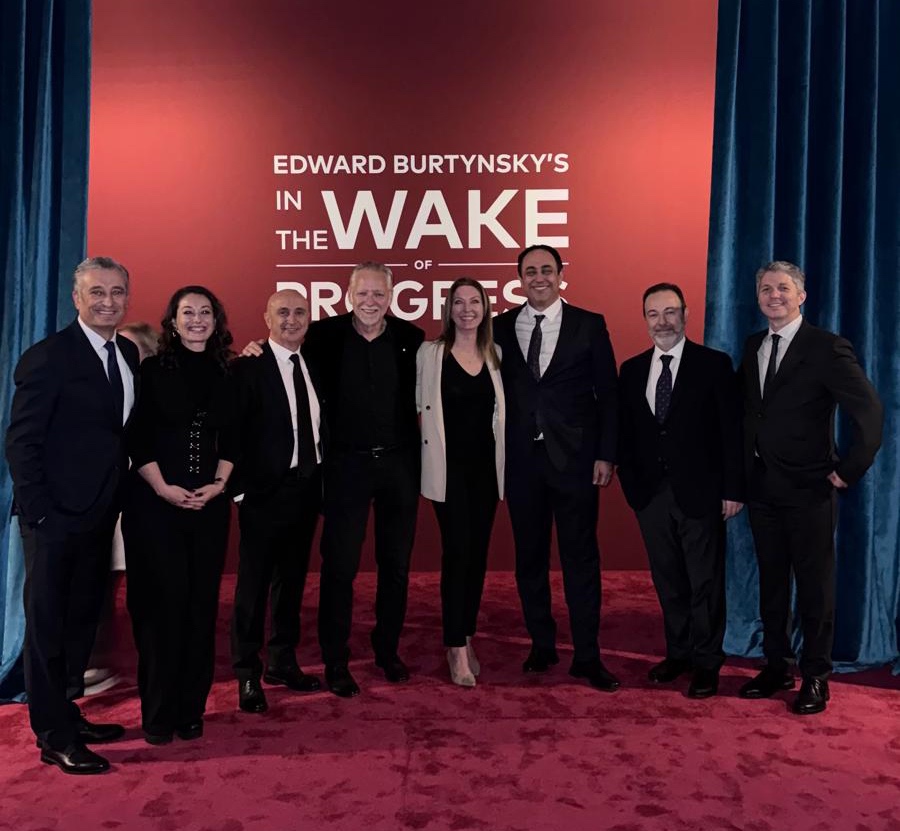
One of the most special moments of the week for me was Edward Burtynsky's Transforming Earth exhibition, brought to visitors as part of COP31 in collaboration with Borusan Holding and Borusan Contemporary.
While discussing targets, technologies, and applications all day long, we had the opportunity at the exhibition to look at the traces human activities leave on the earth from an entirely different perspective.
Sometimes, in sustainability efforts, data, targets, and reports take the spotlight. However, certain images can make us feel what we are trying to protect much more powerfully.
Standing in front of the same artworks and conversing with people from different sectors allowed me to rethink sustainability not only as a technical issue but also as a profoundly human one.
Returning from Antalya
COP31 is not yet complete. We have to wait a little longer to see the decision texts that will be finalized at the end of the conference and the concrete outputs that will emerge. I, too, am eagerly following how the discussions will conclude in the coming days and how they will reflect on the implementation side.
As the first week came to a close, I headed home with one clear thought in mind: Sustainability isn't some distant concept for tomorrow; it's about how we shape the future today. And the key to achieving it is no longer found in grand promises, but in the small, determined steps we take in the field every single day.
Whether it's giving a component a second life, resolving a service issue remotely, making an investment that cuts down energy consumption, or expanding a proven practice to new sites...
To me, this is exactly where the true spirit of our company’s purpose statement comes alive: "We Create Solutions for a Better World."

Aslıhan Selenk
Author
LATEST POSTS
Sustainability


Sustainability

Sustainability

Aslıhan Selenk has been with Borusan Cat for nearly 6 years, spearheading initiatives in climate change, the circular economy, and sustainability transformation as the Strategy and Sustainability Leader. Driven by the question of how the business world's sustainability goals can truly come to life through field applications, she focuses primarily on projects where technology, operations, and human focus intersect. An avid traveler with a passion for discovering new geographies and planning history - and archaeology-focused trips, Selenk views sustainability not merely as an environmental issue, but as a profound opportunity to create shared value for a better future.